
If you’re exploring minimalist design ideas examples, you’re likely aiming to create spaces, visuals, or interfaces that feel clean, modern, and uncluttered. Minimalism is more than just a design trend—it’s a philosophy that focuses on simplicity, functionality, and purpose. Instead of adding more, it emphasizes removing the unnecessary so that what truly matters stands out.
In this detailed guide, we’ll break down minimalist design ideas examples across different areas and help you understand how to apply them step by step in a practical, user-friendly way.
Understanding Minimalist Design in Depth
Minimalist design is based on the idea that simplicity improves clarity and usability. It removes distractions and highlights essential elements.
Core Principles of Minimalism:
- Simplicity: Avoid unnecessary details
- Functionality: Every element must serve a purpose
- Whitespace: Empty space is used intentionally
- Consistency: Uniform colors, fonts, and spacing
- Clarity: Easy to understand at a glance
Minimalist design is not about making things empty—it’s about making things meaningful and intentional.
Minimalist Design Ideas Examples in Home Interiors
Minimalist home design is one of the most popular applications of this style. It creates a peaceful, organized, and visually pleasing environment.
1. Neutral Color Palettes
Use soft and neutral tones such as:
- White
- Beige
- Light gray
- Pastel shades
These colors make spaces feel open, bright, and calm.
2. Simple Furniture Selection
Choose furniture that has:
- Clean lines
- Smooth surfaces
- No excessive carvings or patterns
Avoid bulky or overly decorative pieces.
3. Decluttered Spaces
One of the strongest minimalist design ideas examples is decluttering:
- Keep only essential items visible
- Store unnecessary items out of sight
- Use hidden storage solutions
4. Functional Decor
Instead of filling your room with decorations, choose items that are both aesthetic and functional:
- A wall clock
- A simple lamp
- Indoor plants
5. Open Layouts
Minimalist interiors often use open spaces:
- Avoid overcrowding rooms
- Allow natural light to flow
- Maintain clear walking areas
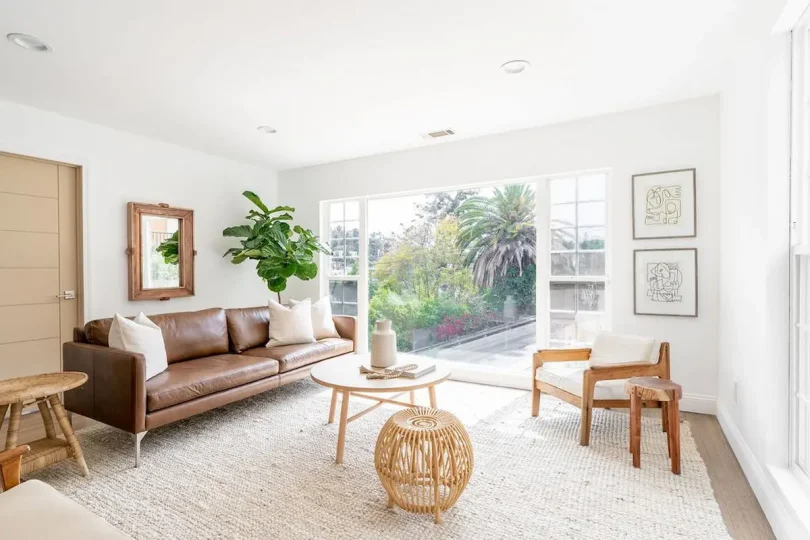
Example: A living room with a neutral sofa, one coffee table, a rug, and a single artwork on the wall creates a balanced minimalist look.
You may also like it:
Modern Graphic Design Ideas For Beginners and Experts
Top Logo Design Tools Review: Best Logo Makers For 2026
Basic Design Principles Explained Simply for Beginners Guide
Cheap Graphic Design Tools Deals: Top Picks for Designers
Minimalist Design Ideas Examples in Websites
Minimalist web design improves user experience and helps visitors focus on content.
1. Clean Layouts
- Use grids and alignment
- Avoid cluttered sections
- Organize content logically
2. Limited Color Schemes
- Stick to 2–3 main colors
- Use contrast to highlight important elements
- Avoid overly bright or conflicting colors
3. Simple Navigation
- Keep menus short and clear
- Use easy-to-understand labels
- Avoid too many dropdown layers
4. Whitespace Usage
Whitespace improves readability and focus:
- Separate sections clearly
- Prevent visual overload
- Make content easier to scan
5. Focus on Content
Minimalist websites prioritize content over decoration:
- Clear headlines
- Short paragraphs
- Strong call-to-action buttons
Example: A homepage with a single headline, a brief description, and one prominent button is a perfect minimalist approach.
Minimalist Design Ideas Examples in Logos
Minimalist logos are clean, memorable, and versatile.
1. Simple Shapes
- Circles
- Squares
- Lines
- Geometric forms
2. Typography-Based Logos
- Use unique but readable fonts
- Avoid decorative or overly stylized typefaces
- Focus on spacing and alignment
3. Limited Colors
- Stick to one or two colors
- Black and white logos are common in minimalism
- Ensure good contrast
4. Icon + Text Combination
- Combine a simple icon with brand name
- Keep spacing balanced
- Avoid overcrowding
5. Scalability
Minimalist logos should:
- Look good in small sizes
- Be clear on different backgrounds
- Work across digital and print formats
Example: A clean wordmark with a simple icon beside it is often more effective than a complex illustrated logo.
Minimalist Design Ideas Examples in Workspaces
A minimalist workspace helps improve focus, productivity, and mental clarity.
1. Clean Desk Setup
- Keep only essentials like a laptop, notebook, and pen
- Remove unnecessary objects
- Maintain an organized surface
2. Cable Management
- Use cable organizers or clips
- Hide wires to reduce visual clutter
3. Ergonomic Furniture
- Choose a comfortable chair and desk
- Ensure proper posture support
- Keep the setup simple and functional
4. Minimal Decor
- Add one or two items such as:
- A plant
- A desk lamp
- A small frame
5. Organized Storage
- Use drawers, shelves, or containers
- Categorize items properly
- Avoid piling items on the desk
Example: A desk with just a laptop, a clean notebook, and a small plant creates a focused and distraction-free environment.
Minimalist Design Ideas Examples in Graphic Design
Minimalist graphic design focuses on delivering a message clearly and effectively.
1. Strong Typography
- Use bold, readable fonts
- Limit the number of font styles
- Maintain consistent spacing
2. Limited Elements
- Use only essential images and text
- Avoid unnecessary graphics or icons
- Keep the composition simple
3. Balanced Layouts
- Align elements properly
- Use grids for structure
- Maintain visual hierarchy
4. Effective Use of Color
- Choose a minimal color palette
- Use color to highlight key information
- Avoid excessive gradients or effects
5. Focus on One Message
- Highlight a single idea
- Avoid mixing multiple messages in one design
- Keep visuals aligned with the purpose
Example: A promotional poster with one headline, one image, and minimal text can communicate more effectively than a crowded design.
Benefits of Minimalist Design
Using minimalist design ideas examples provides several advantages:
- Improved clarity and readability
- Better user experience
- Faster website performance
- Reduced visual stress
- Easier maintenance and updates
- Modern and timeless appearance
- Increased focus on important elements
Practical Tips to Apply Minimalist Design
If you want to start using minimalist design effectively, follow these tips:
- Start by removing unnecessary elements
- Use whitespace intentionally
- Stick to a consistent color palette
- Limit fonts to one or two styles
- Focus on functionality over decoration
- Keep layouts clean and structured
- Maintain balance and alignment
Common Mistakes to Avoid
Even with minimalist design ideas examples, mistakes can happen:
- Over-simplifying and losing usability
- Using too much empty space without balance
- Ignoring hierarchy and structure
- Choosing boring or dull visuals
- Inconsistent spacing and alignment
- Using too many subtle variations that create confusion
Final Thoughts
Minimalist design is all about clarity, purpose, and elegance. By using the right minimalist design ideas examples, you can create designs that are not only visually appealing but also highly functional and easy to understand.
Whether you’re designing a home, website, logo, workspace, or graphic, minimalism helps you focus on what truly matters. When done correctly, it creates a clean, modern, and timeless look that stands out without unnecessary complexity.
If you keep things simple, intentional, and balanced, your minimalist designs will always leave a strong and lasting impression.
FAQs on Minimalist Design Ideas Examples
1. What are minimalist design ideas examples?
Minimalist design ideas examples are practical ways of applying simplicity in design across areas like home interiors, websites, logos, and workspaces. They focus on clean layouts, limited colors, and removing unnecessary elements.
2. Why is minimalist design so popular?
Minimalist design is popular because it improves clarity, reduces clutter, and creates a modern and professional look. It also enhances user experience and makes designs easier to understand.
3. How do I start using minimalist design in my home?
Start by decluttering your space, choosing neutral colors, using simple furniture, and adding only essential decor items. Focus on functionality and keep surfaces clean and organized.
4. What colors are best for minimalist design?
Neutral and soft tones work best, such as white, beige, gray, black, and pastel shades. These colors create a calm and balanced visual appearance.
5. Is minimalist design expensive to implement?
Not necessarily. Minimalist design often reduces costs because it focuses on fewer items. You can achieve a minimalist look by using simple, affordable, and functional elements.