
When you’re building a brand, choosing the right brand strategy tools comparison review approach can save you a lot of time, confusion, and trial-and-error. Instead of guessing what works, you can rely on proven frameworks, research methods, and software tools that help you define, manage, and grow your brand in a structured way.
In this detailed guide, we’ll break down different types of brand strategy tools, compare their strengths and weaknesses, and help you understand which ones are best suited for different stages of your brand journey.
Understanding Brand Strategy Tools
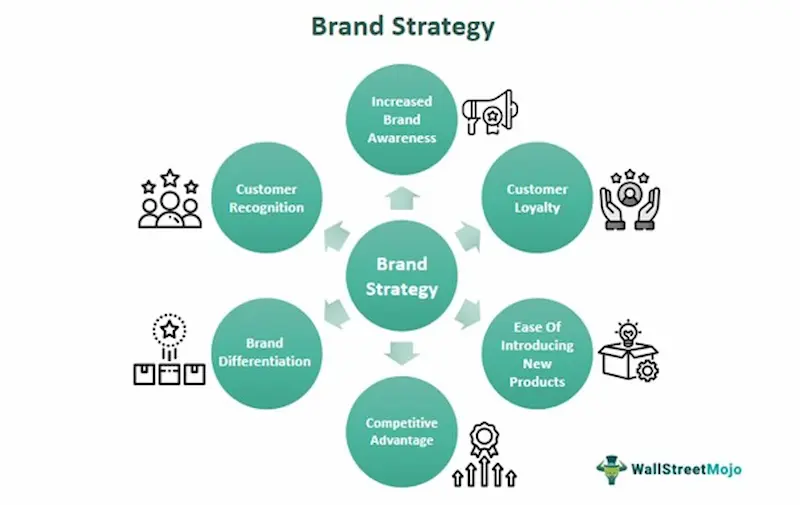
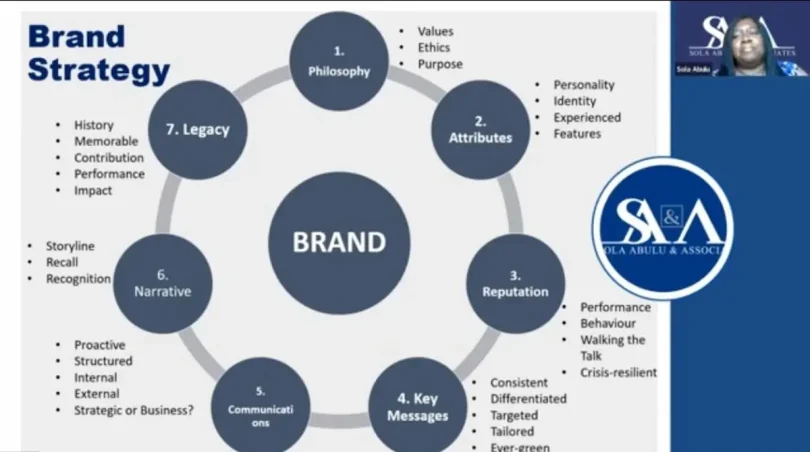
Brand strategy tools are methods, frameworks, and platforms that help you make informed decisions about your brand. These tools support you in areas like:
- Identifying your target audience
- Analyzing competitors
- Defining brand positioning
- Creating consistent messaging
- Managing brand assets
- Tracking brand performance
Some tools are conceptual frameworks used for thinking and planning, while others are digital platforms that help you execute and manage your strategy.
Why Brand Strategy Tools Matter
Using the right tools ensures that your branding is not based on assumptions but on structured analysis and real insights. They help you:
- Build a clear and consistent brand identity
- Understand market opportunities and threats
- Align your team around a unified strategy
- Maintain consistency across platforms and campaigns
- Make data-informed decisions instead of guessing
Without these tools, branding often becomes fragmented and less effective.
Categories of Brand Strategy Tools
To make this brand strategy tools comparison review easier to understand, we can divide tools into four main categories:
- Strategic frameworks
- Brand management tools
- Market and competitor research tools
- AI and productivity tools
Each category serves a different purpose in the branding process.
1. Strategic Frameworks
Strategic frameworks are the foundation of brand strategy. They help you think critically about your brand and structure your ideas.
Common Frameworks
SWOT Analysis
This tool helps you evaluate strengths, weaknesses, opportunities, and threats. It gives you a balanced view of your internal capabilities and external environment.
Porter’s Five Forces
This framework is used to analyze industry competition. It helps you understand competitive pressure, supplier power, buyer power, and barriers to entry.
Brand Identity Prism
This tool helps you define your brand identity across multiple dimensions such as personality, culture, relationships, and self-image.
5 Whys Technique
This is a simple but powerful method used to identify the root cause of a problem by repeatedly asking “why.”
Strengths
- Easy to use and widely understood
- Great for brainstorming and workshops
- Helps structure early-stage thinking
Limitations
- Not data-driven by itself
- Requires interpretation and experience
- No automation or tracking capabilities
Best Use Case
These frameworks are ideal when you are starting your brand strategy or refining an existing one at a conceptual level.
You may also like it:
Modern Graphic Design Ideas For Beginners and Experts
Top Logo Design Tools Review: Best Logo Makers For 2026
Basic Design Principles Explained Simply for Beginners Guide
Cheap Graphic Design Tools Deals: Top Picks for Designers
2. Brand Management Tools
Brand management tools are software platforms that help you implement and maintain your brand strategy in a consistent way.
Key Features Across These Tools
- Centralized brand asset storage
- Brand guideline management
- Collaboration features for teams
- Brand monitoring and tracking
- Content and asset distribution
Strengths
- Improve consistency across teams and channels
- Save time managing assets and guidelines
- Enable collaboration in larger organizations
- Help enforce brand standards
Limitations
- Require onboarding and learning
- Often come with subscription costs
- May be more suitable for medium to large teams
Best Use Case
These tools are best for businesses that already have a defined brand strategy and need to manage and scale it efficiently.
3. Market and Competitor Research Tools
These tools focus on gathering insights about your audience, competitors, and market trends.
What They Help With
- Understanding competitor positioning
- Identifying gaps in the market
- Analyzing customer behavior and preferences
- Tracking brand perception
- Supporting data-driven decisions
Strengths
- Provide real-world data and insights
- Help validate strategic assumptions
- Improve decision-making accuracy
- Useful for ongoing optimization
Limitations
- Data interpretation is required
- Can be overwhelming due to large amounts of information
- Some tools require expertise to use effectively
Best Use Case
These tools are essential during the research phase of brand strategy and for continuous monitoring after implementation.
4. AI and Productivity Tools
AI-powered tools are becoming increasingly popular in brand strategy workflows. They assist in idea generation, content creation, and analysis.
What They Can Do
- Generate brand messaging ideas
- Assist in naming and positioning concepts
- Summarize research insights
- Support content creation for branding
- Help speed up repetitive tasks
Strengths
- Save time and increase efficiency
- Provide quick creative input
- Useful for brainstorming and drafts
- Can support large volumes of work
Limitations
- Require human oversight
- May lack deep contextual understanding
- Not a replacement for strategic thinking
Best Use Case
AI tools are best used as assistants rather than primary decision-makers. They enhance productivity but should always be guided by human strategy.
Comparison Summary
Here’s a simple way to compare these categories:
- Strategic frameworks focus on thinking and planning
- Brand management tools focus on execution and consistency
- Research tools focus on insights and data
- AI tools focus on speed and support
Each category complements the others. No single type of tool can handle the entire brand strategy process alone.
How to Choose the Right Tools for Your Needs
Choosing the right tools depends on your current stage and goals. Here’s a practical approach:
- If you are just starting, focus on strategic frameworks to define your brand direction
- If you already have a strategy, use research tools to validate and refine it
- If your brand is growing, adopt brand management tools to maintain consistency
- If you want efficiency, integrate AI tools into your workflow
The key is to combine tools rather than relying on just one category.
Common Mistakes to Avoid
While using brand strategy tools, avoid these common mistakes:
- Relying only on tools without clear strategic thinking
- Using too many tools without a clear purpose
- Ignoring data and relying purely on intuition
- Not aligning tools with your business stage
- Failing to update your strategy based on insights
Tools should support your strategy, not replace it.
Final Thoughts
This brand strategy tools comparison review shows that effective branding is not about using a single tool, but about combining the right mix of frameworks, research methods, management platforms, and AI support.
Strategic frameworks help you think clearly, research tools help you validate decisions, management tools help you stay consistent, and AI tools help you move faster. When used together, they create a complete system for building and maintaining a strong brand.
If you approach brand strategy with the right tools and a clear process, you’ll be able to make smarter decisions, stay consistent, and grow your brand with confidence.
FAQs: Brand Strategy Tools Comparison Review
1. What are brand strategy tools?
Brand strategy tools are frameworks, methods, and software used to plan, develop, and manage a brand. They help with understanding the market, defining positioning, creating messaging, and maintaining consistency across all brand touchpoints.
2. What are the most commonly used strategic frameworks in brand strategy?
Some widely used frameworks include SWOT Analysis, Porter’s Five Forces, and the Brand Identity Prism. These tools help you analyze internal strengths, external competition, and define your brand’s identity in a structured way.
3. How do brand strategy tools help businesses?
Brand strategy tools help businesses make informed decisions instead of relying on guesswork. They improve understanding of customer needs, highlight competitive advantages, and ensure that branding remains consistent across all channels and campaigns.
4. What is the difference between frameworks and software tools?
Frameworks like SWOT Analysis are conceptual and used for thinking and planning. Software tools, on the other hand, are digital platforms that help manage brand assets, track performance, and execute strategies in real time. Both are important but serve different purposes.
5. Are brand strategy tools suitable for small businesses?
Yes, brand strategy tools are useful for businesses of all sizes. Small businesses often benefit from simple frameworks like SWOT Analysis to define their direction, while also using basic research tools to understand their audience and competitors.