
If you’re trying to figure out how to start graphic design learning, you’re stepping into a creative field that blends art, communication, and problem-solving. Graphic design is not just about making things visually attractive—it’s about delivering messages effectively through visuals.
Whether you want to become a freelancer, work in a company, or build a personal brand, learning graphic design can open many opportunities. In this detailed guide, you’ll get a clear, step-by-step understanding of how to begin from scratch and grow your skills in a practical way.
1. Build the Right Mindset Before You Start

Before jumping into tools and tutorials, you need to understand that graphic design is a skill that develops over time. When learning how to start graphic design learning, your mindset plays a big role.
- Be ready to practice regularly
- Accept mistakes as part of the learning process
- Focus on improvement, not perfection
- Stay patient and consistent
Design is not something you master in a few days. It requires experimentation, observation, and continuous learning.
2. Understand the Purpose of Graphic Design
Graphic design is all about visual communication. You are not just creating images—you are solving problems visually.
Ask yourself:
- What message does this design communicate?
- Who is the target audience?
- What action should the viewer take?
When you understand the purpose behind design, your work becomes more meaningful and effective.
3. Learn the Core Principles of Design
One of the most important steps in how to start graphic design learning is understanding design principles. These are the rules that guide every good design.
Key Principles Include:
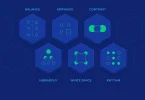
Balance
Ensures that elements are visually distributed in a pleasing way.
Contrast
Helps highlight important elements using differences in color, size, or shape.
Alignment
Keeps elements organized and structured.
Hierarchy
Shows the order of importance in a design.
Repetition
Creates consistency and unity across designs.
Proximity
Groups related elements together for better readability.
Mastering these principles will significantly improve your design quality.
You may also like it:
Modern Graphic Design Ideas For Beginners and Experts
Top Logo Design Tools Review: Best Logo Makers For 2026
Basic Design Principles Explained Simply for Beginners Guide
Cheap Graphic Design Tools Deals: Top Picks for Designers
4. Get Familiar with Design Software
You don’t need to learn every tool at once. Start with beginner-friendly options and gradually move to advanced ones.
Popular Tools for Beginners:
- Canva (easy drag-and-drop interface)
- Figma (great for UI/UX and collaboration)
- Adobe Photoshop (image editing and manipulation)
- Adobe Illustrator (vector-based design)
Start with one tool and learn its basics such as:
- Creating a new project
- Using layers
- Adding text and shapes
- Exporting designs
As you grow, you can explore advanced features.
5. Learn Typography Basics
Typography is the art of arranging text in a visually appealing and readable way. It plays a major role in graphic design.
Important things to learn:
- Font pairing (combining fonts that work well together)
- Font hierarchy (heading, subheading, body text)
- Spacing (line height, letter spacing, margins)
- Readability and legibility
Good typography can make a design look professional even if the visuals are simple.
6. Understand Color Theory
Color affects emotions and perception. Learning how to use colors effectively is a key part of how to start graphic design learning.
Key concepts:
- Color harmony (complementary, analogous, etc.)
- Color psychology (how colors influence feelings)
- Contrast for readability
- Creating a balanced color palette
Avoid using too many colors in one design. Beginners should start with 2–3 main colors and expand gradually.
7. Practice by Copying and Recreating Designs
At the beginning, one of the best learning methods is recreating existing designs for practice.
You can:
- Choose a poster or social media design
- Try to recreate it as closely as possible
- Analyze spacing, font choices, and layout
This exercise helps you understand how professional designs are structured.
Important note: Use copied designs only for learning, not for publishing as your own work.
8. Start Working on Small Projects
Once you understand the basics, start applying your skills by creating small projects.
Ideas include:
- Social media posts
- Instagram banners
- Posters or flyers
- Simple logos
- Business cards
- Blog or YouTube thumbnails
These projects help you build confidence and apply what you’ve learned in real situations.
9. Learn by Observing Other Designs
Another effective way to improve is by analyzing professional work.
When you see a design, ask:
- Why was this layout chosen?
- How are elements arranged?
- What colors are used and why?
- How is attention directed?
This habit helps you develop a strong design eye, which is essential in mastering how to start graphic design learning.
10. Build a Portfolio Early
A portfolio is a collection of your best work. Even as a beginner, you should start building one.
Include:
- Your practice designs
- Personal projects
- Recreated designs (for learning purposes)
- Different types of work (logos, posts, banners)
A portfolio helps you:
- Showcase your skills
- Attract clients or employers
- Track your progress over time
Keep it clean, organized, and updated.
11. Follow Online Learning Resources
There are plenty of resources available to help you learn:
- Video tutorials
- Online courses
- Design communities
- Blogs and guides
Combine learning with practice. Watching tutorials alone is not enough—you must apply what you learn.
12. Practice Daily and Stay Consistent
Consistency is the key to improving your design skills. Even practicing for 30–60 minutes daily can make a big difference over time.
Try to:
- Set small daily or weekly goals
- Experiment with new styles
- Challenge yourself with new designs
- Review and improve your previous work
The more you design, the better you become.
13. Accept Feedback and Improve
Feedback helps you grow faster. Share your designs with others and ask for honest opinions.
- Join design communities
- Share your work on platforms
- Ask for constructive criticism
Don’t take feedback personally—use it as a tool for improvement.
14. Avoid Common Beginner Mistakes
While learning how to start graphic design learning, avoid these common mistakes:
- Using too many fonts in one design
- Overcrowding the layout
- Ignoring spacing and alignment
- Poor color combinations
- Not following hierarchy
- Copying designs without learning from them
Being aware of these mistakes will help you improve faster.
Conclusion
Learning how to start graphic design learning is a journey that combines creativity, practice, and patience. By understanding the fundamentals, practicing regularly, learning tools, and working on real projects, you can steadily build your skills. Start small, stay consistent, and focus on improving one step at a time. With dedication and the right approach, you can grow from a beginner into a confident graphic designer over time.
FAQs on How to Start Graphic Design Learning
1. Do I need a degree to start learning graphic design?
No, a degree is not required. Many successful designers are self-taught. You can learn through online tutorials, practice, and real projects. A degree can help, but skills and portfolio matter more.
2. How long does it take to learn graphic design?
It depends on your dedication and practice. You can learn the basics in a few weeks, but becoming skilled may take several months to a year of consistent learning and practice.
3. What is the best software for beginners in graphic design?
Beginners often start with tools like Canva or Figma because they are easy to use. As you improve, you can move to Adobe Photoshop and Adobe Illustrator for more advanced work.
4. Can I learn graphic design for free?
Yes, there are many free resources available such as YouTube tutorials, blogs, and free courses. You can start learning without spending money and upgrade later if needed.
5. What skills are most important in graphic design?
Key skills include creativity, attention to detail, understanding of design principles, typography, color theory, and basic software knowledge. Communication and problem-solving are also important.