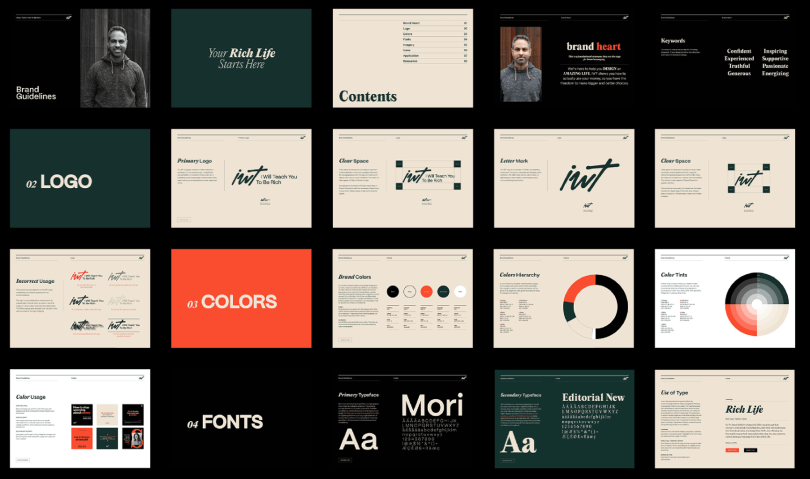

If you want to build a strong, memorable, and professional brand, learning how to create a brand identity guide is one of the most important steps you can take. A brand identity guide is not just a design document—it’s a complete system that defines how your brand looks, communicates, and behaves across every platform.
In this detailed guide, we’ll go deeper into how to create a brand identity guide from scratch, including strategy, design elements, and practical implementation so you can build a consistent and impactful brand.
What Is a Brand Identity Guide?
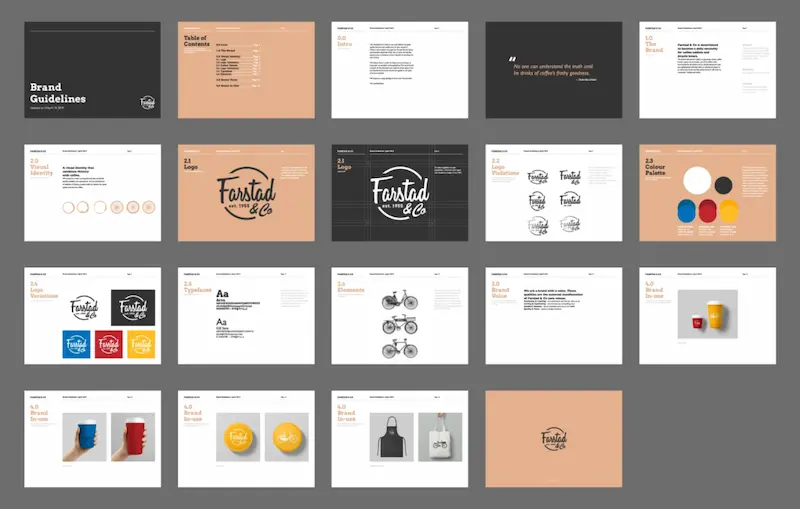
A brand identity guide is a structured document that explains how all elements of your brand should be used. It ensures that anyone working with your brand—designers, marketers, writers—follows the same visual and communication standards.
It typically includes:
- Brand mission and values
- Logo usage rules
- Color system
- Typography system
- Imagery guidelines
- Tone of voice
- Design examples
Why Learning How to Create a Brand Identity Guide Is Important
Before diving into the steps, it’s important to understand why this guide matters for your business or project.
1. Builds Strong Recognition
Consistent branding helps people recognize your business instantly across platforms like websites, social media, packaging, and ads.
2. Creates Trust and Credibility
A polished and consistent brand feels professional, which builds trust with your audience.
3. Improves Communication
A clear brand identity ensures that your messaging aligns with your values and speaks directly to your target audience.
4. Saves Time and Effort
Instead of making decisions repeatedly, your brand guide acts as a reference point for all creative work.
5. Keeps Your Brand Consistent
Consistency is key in branding. A guide ensures that your visuals and messaging never feel random or disconnected.
Step-by-Step Guide on How to Create a Brand Identity Guide
Now let’s break down the process into detailed, actionable steps.
Step 1: Define Your Brand Foundation
Start with the core of your brand. Without clarity here, your identity guide won’t be effective.
Ask yourself:
- What is the purpose of my brand?
- What problem am I solving?
- Who is my ideal audience?
- What values does my brand stand for?
Write down:
- Mission statement
- Vision statement
- Core values
- Target audience profile
This foundation will guide every decision you make later.
You may also like it:
Modern Graphic Design Ideas For Beginners and Experts
Top Logo Design Tools Review: Best Logo Makers For 2026
Basic Design Principles Explained Simply for Beginners Guide
Cheap Graphic Design Tools Deals: Top Picks for Designers
Step 2: Establish Your Brand Personality
Your brand should feel like a person with a distinct personality.
Decide how your brand should be perceived:
- Professional or casual
- Friendly or authoritative
- Minimalist or expressive
- Modern or traditional
You can also define:
- Tone adjectives (e.g., bold, calm, playful, premium)
- Emotional positioning
This helps align both visual design and communication style.
Step 3: Create Logo Guidelines
Your logo is one of the most important elements of your brand identity.
Include clear instructions such as:
Logo Variations
- Primary logo
- Secondary logo
- Icon or symbol version
Usage Rules
- Minimum size requirements
- Clear space around the logo
- Acceptable backgrounds
Incorrect Usage
Show examples of what NOT to do:
- Stretching the logo
- Changing colors improperly
- Adding effects or shadows
- Placing it on busy backgrounds
These rules protect your logo from being misused.
Step 4: Develop a Color System
Color plays a major role in brand recognition and emotional impact.
How to Choose Colors:
- Select 1–2 primary colors
- Add 2–3 secondary colors
- Include neutral colors (black, white, gray)
Define Each Color:
- HEX codes
- RGB values
- CMYK values (for print)
Usage Guidelines:
Explain where each color should be used:
- Primary color for buttons or highlights
- Secondary colors for accents
- Neutral colors for backgrounds and text
Consistency in color usage is essential for a cohesive brand look.
Step 5: Choose Typography
Typography helps communicate your brand’s personality through text.
What to Include:
- Primary font (used for headings)
- Secondary font (used for body text)
- Optional accent font
Define Hierarchy:
- Heading styles (H1, H2, H3)
- Body text size
- Line spacing
- Letter spacing
Usage Rules:
- Where each font should be used
- When to use bold or regular weights
- Font pairing combinations
Typography should be readable and consistent across all platforms.
Step 6: Define Visual Style and Imagery
Your brand identity should extend beyond logos and fonts into visuals.
Include:
- Photography style (bright, dark, natural, studio, etc.)
- Image composition (close-ups, wide shots, minimal backgrounds)
- Editing style (filters, contrast, saturation)
- Illustration or graphic style
- Icon style (outline, filled, flat, 3D, etc.)
Consistency in imagery helps create a recognizable visual language.
Step 7: Establish Brand Voice and Tone
Your brand voice defines how you communicate with your audience.
Define:
- Formal vs informal tone
- Sentence structure style
- Vocabulary preferences
- Writing guidelines
Examples:
- A tech brand may use clear, simple, and informative language
- A lifestyle brand may use friendly, conversational tone
- A luxury brand may use elegant and refined wording
Include examples of:
- Headlines
- Social media captions
- Website copy
Step 8: Create Brand Applications
Show how your brand identity works in real-life scenarios.
Examples include:
- Social media posts
- Website layouts
- Business cards
- Packaging designs
- Marketing materials
- Advertisements
This section helps others visualize how to apply your brand consistently.
Step 9: Organize the Brand Identity Guide Document
Structure your guide in a clean and logical way:
Suggested Structure:
- Introduction
- Brand overview (mission, vision, values)
- Logo guidelines
- Color palette
- Typography system
- Visual style
- Brand voice
- Applications
- Usage examples and rules
Use headings, sections, and visuals to make it easy to understand.
Step 10: Keep It Updated and Accessible
A brand identity guide is not static. As your brand grows, your guide may evolve.
- Update it when new elements are introduced
- Share it with team members and collaborators
- Store it in an accessible format (PDF, online document, etc.)
- Ensure everyone working on your brand follows it
Pro Tips for Creating a Strong Brand Identity Guide
- Keep the design clean and minimal
- Use real examples instead of just rules
- Avoid unnecessary complexity
- Focus on clarity and usability
- Align visuals with your brand message
- Maintain consistency across all sections
Common Mistakes to Avoid
- Making the guide too complicated
- Not defining clear usage rules
- Using too many fonts or colors
- Ignoring consistency across platforms
- Skipping practical examples
- Not updating the guide over time
Avoiding these mistakes will make your brand identity guide much more effective and practical.
Final Thoughts
Understanding how to create a brand identity guide gives you the ability to build a brand that is consistent, professional, and memorable. It acts as the backbone of your visual and communication strategy, ensuring that every piece of content reflects your brand’s true identity.
By following the detailed steps above, you can create a comprehensive and practical brand identity guide that not only looks good but also works effectively in real-world applications.
FAQs on How to Create a Brand Identity Guide
1. What is included in a brand identity guide?
A brand identity guide typically includes your brand mission, logo usage rules, color palette, typography, imagery style, tone of voice, and examples of how to apply these elements across different platforms.
2. Why do I need a brand identity guide?
A brand identity guide helps maintain consistency across all your branding efforts. It ensures that your visuals and messaging remain uniform, professional, and easily recognizable to your audience.
3. How long should a brand identity guide be?
There is no fixed length. It can be a short document for small brands or a detailed manual for larger organizations. The key is to include all essential guidelines clearly without unnecessary complexity.
4. Can a small business benefit from a brand identity guide?
Yes, absolutely. Even small businesses benefit from having a brand identity guide because it helps maintain consistency, builds trust, and creates a more professional image from the beginning.
5. Do I need a designer to create a brand identity guide?
Not necessarily. While a professional designer can help, you can create a basic brand identity guide yourself using design tools. However, a designer can improve quality, consistency, and visual appeal.