

If you’re looking for an honest brand identity review, you’re probably trying to understand what truly makes a brand effective, memorable, and trustworthy. A brand identity is more than just a logo or color scheme—it’s the complete experience people have when they interact with your business.
In this detailed guide, we’ll break everything down in a clear, conversational way so you can evaluate, build, or improve your own brand identity with confidence.
Understanding Brand Identity in Depth
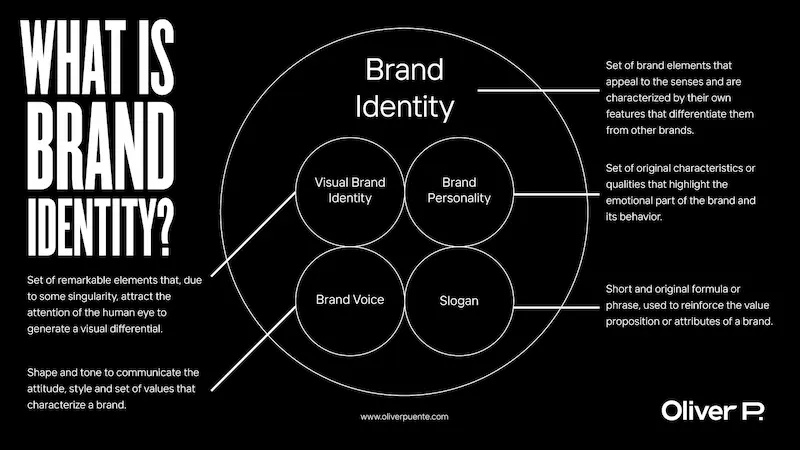
Brand identity refers to how a brand presents itself to the world. It combines visual elements, messaging, and emotional tone to create a consistent perception in the minds of customers.
Think of it this way:
- Brand identity is what you show
- Brand perception is what people feel
- Branding is how you connect the two
An honest brand identity review looks at whether these three elements align properly.
Why Brand Identity Is More Important Than You Think
Many people underestimate branding and focus only on products or services. But in reality, strong brand identity can:
- Influence purchasing decisions
- Build emotional connections
- Increase brand loyalty
- Differentiate you from competitors
- Make marketing more effective
When your brand identity is clear and consistent, customers don’t have to “figure you out”—they immediately understand who you are and what you offer.
Core Components of Brand Identity
Let’s break down the essential building blocks in detail.
1. Logo Design
Your logo is the visual anchor of your brand. In an honest review, ask yourself:
- Is it simple and easy to recognize?
- Does it work in black and white?
- Can it scale well on different platforms?
- Does it reflect your brand personality?
A strong logo should be timeless and versatile rather than overly complex or trendy.
You may also like it:
Modern Graphic Design Ideas For Beginners and Experts
Top Logo Design Tools Review: Best Logo Makers For 2026
Basic Design Principles Explained Simply for Beginners Guide
Cheap Graphic Design Tools Deals: Top Picks for Designers
2. Color Psychology and Palette
Colors play a powerful psychological role in branding. They can influence mood, perception, and even behavior.
When evaluating your brand:
- Are your colors consistent across all platforms?
- Do they align with your brand message?
- Do they appeal to your target audience?
A well-defined color palette typically includes:
- Primary colors
- Secondary colors
- Neutral tones
Using too many colors or changing them frequently can weaken your identity.
3. Typography and Fonts
Typography is often overlooked but plays a crucial role in brand perception.
Consider:
- Are your fonts easy to read?
- Do they match your brand tone (modern, traditional, playful, etc.)?
- Are you using consistent font styles across all content?
Mixing too many fonts or using inconsistent styles can make your brand appear unprofessional.
4. Brand Voice and Tone
Your brand voice is how your brand “speaks” to your audience.
Ask yourself:
- Is your tone formal, casual, friendly, or authoritative?
- Does it stay consistent across website, social media, and ads?
- Does it reflect your audience’s expectations?
An honest brand identity review often reveals inconsistency in tone, which can confuse customers and weaken trust.
5. Imagery and Visual Style
Images, graphics, and design elements should follow a consistent style.
This includes:
- Photography style (bright, dark, minimal, etc.)
- Illustration style
- Iconography
- Layout and composition
If your visuals feel random or mismatched, your brand identity loses cohesion.
6. Messaging and Tagline
Your messaging communicates what your brand stands for.
A strong brand message:
- Clearly explains what you do
- Highlights your unique value
- Speaks directly to your audience
- Remains consistent across all channels
Inconsistent messaging is a common issue uncovered in an honest brand identity review.
Common Weaknesses in Brand Identity
Here are some typical problems businesses face:
- Lack of consistency across platforms
- Overly complicated or outdated logo
- No defined brand guidelines
- Inconsistent tone of voice
- Poor alignment with target audience
- Copying competitors instead of being original
Identifying these issues is the first step toward improvement.
How to Perform an Honest Brand Identity Review
If you want to evaluate your own brand, follow this structured approach:
Step 1: Audit Your Current Branding
Review your website, social media, packaging, and marketing materials. Look for consistency in visuals and messaging.
Step 2: Define Your Brand Personality
Ask:
- What traits describe your brand?
- Is it modern, luxurious, friendly, innovative, or professional?
Step 3: Analyze Your Audience
Your brand identity should align with your ideal customers. Consider their:
- Preferences
- Expectations
- Behavior
Step 4: Compare With Competitors
Look at similar brands in your industry:
- How do they position themselves?
- What makes you different?
- Are you blending in or standing out?
Step 5: Gather Feedback
Sometimes, an outside perspective is the most valuable. Ask customers, colleagues, or designers for honest opinions.
How to Improve Your Brand Identity
Once you’ve completed your review, here’s how to strengthen your branding:
- Create a brand style guide
- Simplify visual elements
- Maintain consistent colors, fonts, and tone
- Refine your logo if needed
- Align messaging with your target audience
- Ensure all platforms reflect the same identity
Improvement should be gradual and intentional rather than rushed.
Signs of a Strong Brand Identity
A successful brand identity typically:
- Feels consistent across all touchpoints
- Is easy to recognize and remember
- Communicates clearly without confusion
- Reflects the brand’s values and mission
- Resonates emotionally with the audience
- Stands out from competitors
If your brand meets most of these criteria, you’re on the right track.
Final Thoughts
Conducting an honest brand identity review is essential if you want your brand to grow and remain competitive. It allows you to step back, evaluate what’s working, and identify areas for improvement.
A strong brand identity is not built overnight—it evolves through consistency, clarity, and thoughtful design decisions. When all elements work together harmoniously, your brand becomes more than just a business—it becomes a recognizable and trusted presence in your market.
FAQs: Honest Brand Identity Review
1. What is an honest brand identity review?
An honest brand identity review is a detailed evaluation of how well your brand’s visual elements, messaging, and overall presentation align with your goals and target audience. It helps identify strengths, weaknesses, and areas for improvement.
2. Why is brand identity important for a business?
Brand identity is important because it helps your business create a strong first impression, build trust, stand out from competitors, and maintain consistency across all platforms. A clear identity makes your brand more recognizable and memorable.
3. What elements are included in brand identity?
Brand identity typically includes:
Logo design
Color palette
Typography
Brand voice and tone
Imagery and visual style
Messaging and tagline
Overall design consistency
4. How do I know if my brand identity is weak?
Some signs of a weak brand identity include:
Inconsistent design across platforms
Confusing or unclear messaging
Poorly designed or outdated logo
Lack of a defined color scheme
No clear brand personality
5. How often should I review my brand identity?
It’s a good practice to review your brand identity at least once a year or whenever your business undergoes major changes, such as rebranding, expanding services, or targeting a new audience.