
When we talk about the latest branding platforms review 2026, we’re focusing on the modern tools that help businesses build, manage, and scale their brand identity in a consistent and strategic way. Branding today is not limited to visuals like logos or color schemes—it includes messaging, customer experience, digital presence, and even how teams collaborate internally.
In 2026, branding platforms have become smarter, more automated, and more integrated. Many now use AI, centralized dashboards, and real-time collaboration features to help businesses maintain a strong and unified brand across all channels. Let’s explore these platforms in detail so you can understand what they offer and which one might fit your needs.
Why Branding Platforms Are Important in 2026
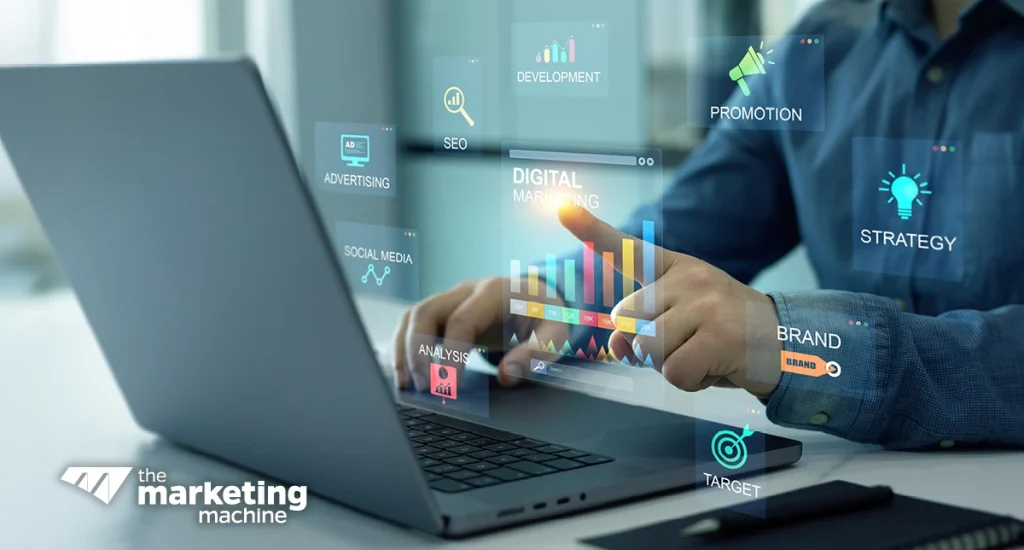
Branding platforms are essential because they help you maintain consistency across all your marketing channels. Without them, teams often end up using outdated logos, inconsistent messaging, or unapproved designs.
Modern branding platforms now:
- Centralize brand assets in one place
- Ensure consistent brand guidelines
- Provide collaboration tools for teams
- Offer analytics and insights into brand performance
- Use AI to automate repetitive branding tasks
This makes them especially useful for businesses managing multiple campaigns, teams, or regions.
Top Branding Platforms in 2026 (Detailed Review)
1. Revuze
Revuze is widely recognized for its strong focus on customer insights and sentiment analysis. Instead of just storing brand assets, it helps businesses understand how customers perceive their brand across different platforms.
Key strengths:
- AI-driven consumer insights
- Sentiment tracking across channels
- Market trend analysis
- Data-backed branding decisions
This platform is ideal if you want to build a brand based on real customer feedback rather than assumptions.
2. Frontify
Frontify is a popular branding platform that focuses on digital brand guidelines and asset management. It allows teams to store, organize, and share brand elements in a structured way.
Key strengths:
- Centralized brand guidelines
- Digital asset management (DAM)
- Easy collaboration between teams
- Real-time updates to brand materials
It’s especially useful for companies that want strict brand consistency across departments and external partners.
You may also like it:
Modern Graphic Design Ideas For Beginners and Experts
Top Logo Design Tools Review: Best Logo Makers For 2026
Basic Design Principles Explained Simply for Beginners Guide
Cheap Graphic Design Tools Deals: Top Picks for Designers
3. Bynder
Bynder is known for its powerful workflow automation and creative collaboration features. It helps teams manage the entire content lifecycle from creation to approval and distribution.
Key strengths:
- Workflow automation for approvals
- Version control for assets
- Collaboration tools for creative teams
- Scalable for large organizations
This platform works well for marketing teams that produce a high volume of branded content.
4. Brandfolder
Brandfolder focuses on simplicity and speed. It provides a user-friendly interface for managing and distributing brand assets efficiently.
Key strengths:
- Easy-to-use dashboard
- Fast asset retrieval and sharing
- Smart recommendations for content usage
- Cloud-based accessibility
It’s a good choice for teams that want a straightforward and efficient branding system without a steep learning curve.
5. Brandwatch
Brandwatch specializes in social listening and brand monitoring. It helps businesses track conversations about their brand across social media and other online platforms.
Key strengths:
- Social media monitoring
- Sentiment analysis
- Trend detection
- Competitive benchmarking
If understanding public perception is a priority, this platform provides valuable insights.
6. Sprinklr
Sprinklr is an enterprise-level platform that combines branding, customer experience, and social media management into one system.
Key strengths:
- Unified customer experience platform
- Brand governance tools
- Multi-channel publishing
- Advanced analytics
It’s best suited for large organizations that need an all-in-one solution for managing brand presence at scale.
7. Canva (Enterprise Version)
Canva has evolved beyond a design tool into a branding platform with its enterprise features. It allows teams to maintain brand consistency while creating content quickly.
Key strengths:
- Brand kits with locked elements
- Templates for consistent design
- Collaboration and approval workflows
- Easy-to-use design interface
It’s ideal for teams that need fast content creation without sacrificing brand consistency.
8. Canto
Canto is a digital asset management platform focused on organization and security. It helps businesses store and control access to their brand assets.
Key strengths:
- Strong permission controls
- Secure file sharing
- Asset organization tools
- Scalable storage solutions
This platform works well for teams that prioritize asset security and structured access.
9. Meltwater
Meltwater combines media monitoring with branding insights. It helps businesses track brand visibility and media coverage.
Key strengths:
- Media intelligence tools
- Brand tracking across channels
- Competitive analysis
- PR and marketing insights
It’s useful for businesses that want to connect branding with media performance.
10. Templafy
Templafy focuses on maintaining brand consistency in documents and internal communications.
Key strengths:
- Automated document templates
- Brand compliance checks
- Integration with productivity tools
- Centralized document management
This platform is especially helpful for enterprises with heavy documentation workflows.
Key Trends in Branding Platforms for 2026
AI Integration
Most modern branding platforms now include AI features that help with content suggestions, brand compliance checks, and automated workflows.
Centralized Brand Management
Instead of scattered tools, companies are moving toward unified platforms that manage assets, guidelines, and analytics in one place.
Real-Time Collaboration
Teams can now work together on branding assets simultaneously, reducing delays and improving efficiency.
Data-Driven Branding
Platforms increasingly provide analytics and insights that help businesses make informed branding decisions based on real user behavior and sentiment.
How to Choose the Right Branding Platform
When selecting a branding platform, consider the following:
- Business size: Small teams may prefer simpler tools, while enterprises need advanced governance and analytics
- Budget: Some platforms offer scalable pricing depending on features and usage
- Team collaboration needs: Look for platforms with workflow and approval systems
- Asset management requirements: If you handle many files, choose a strong DAM system
- Analytics needs: If you want insights, prioritize platforms with monitoring and reporting features
Final Thoughts
The latest branding platforms review 2026 highlights how branding tools have evolved into comprehensive ecosystems rather than simple asset storage systems. Today’s platforms combine design, collaboration, analytics, and automation to help businesses build strong and consistent brands.
Whether you are a startup building your first identity or a large enterprise managing a global brand, choosing the right platform can significantly improve how your brand is created, managed, and perceived.
FAQs – Latest Branding Platforms Review 2026
1. What are branding platforms in 2026?
Branding platforms in 2026 are software tools that help businesses manage their brand identity, including assets, guidelines, messaging, and customer perception. Modern platforms like Canva, Frontify, and Bynder combine design, collaboration, and asset management in one place.
2. Why should businesses use branding platforms?
Businesses use branding platforms to maintain consistency across all channels, improve collaboration among teams, and streamline content creation. Platforms such as Brandfolder and Canto make it easier to organize and share brand assets securely.
3. Which branding platform is best for large enterprises?
Large enterprises often prefer platforms with advanced governance, analytics, and scalability. Tools like Sprinklr and Bynder are well-suited for managing complex workflows, multiple teams, and global branding strategies.
4. Which branding platform is best for small businesses?
Small businesses usually benefit from user-friendly and cost-effective platforms. Canva is a popular choice due to its simplicity, templates, and built-in brand kits that help maintain consistency without requiring advanced design skills.
5. What features should I look for in a branding platform?
Key features include:
Digital asset management
Brand guidelines control
Collaboration and approval workflows
AI-powered automation
Analytics and reporting
Platforms like Frontify and Brandfolder offer many of these features in an organized interface.